Why wind turbines use fibre links
A wind turbine carries data and control signals between the nacelle, the tower base and the farm network. These cables run close to generators, converters and power cables, which produce strong electromagnetic fields. Fibre carries the signals as light, so it is immune to that interference, and it offers high bandwidth for control and monitoring data. In general practice, fibre also gives electrical isolation between the sections it connects.
These advantages matter most in harsh environments such as offshore wind farms, where a failed link means an expensive trip to the turbine.
What to state in your RFQ
Turbine links differ from one controller to the next, so the build is agreed in the quote. Tell us:
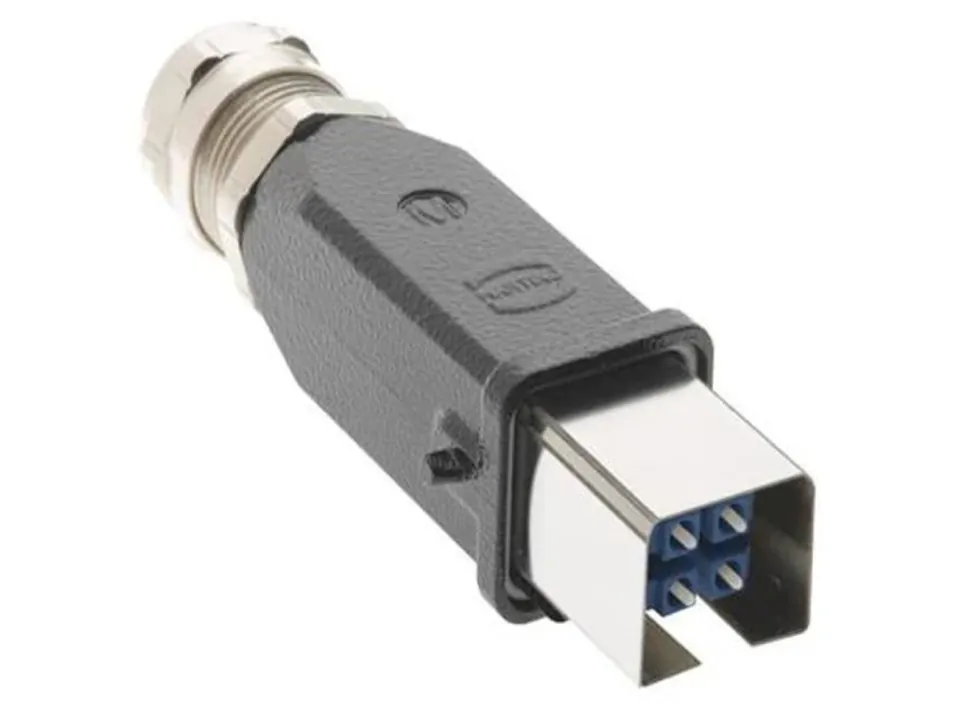
- The Harting housing or module part number the connector must fit, if you have one.
- Fibre type: single-mode, multimode, or another type used by your turbine controller.
- Whether you need loose connectors or complete cable assemblies, and their lengths.
- Cable jacket and any requirements for oil, UV or temperature exposure in the nacelle or tower.
- The equipment at the other end of each link.
Send the details through the request a quote form. See energy, offshore and utilities for other turbine products.
Questions buyers ask
Why use fibre instead of copper in a wind turbine?
Fibre is immune to the electromagnetic interference produced by generators and power electronics, and it carries high data rates. That keeps control and monitoring links reliable in the turbine.
Are these connectors suitable for offshore wind farms?
They are used in turbine applications including offshore wind farms. State the environmental conditions in your enquiry so the cable and connector build suits the site.
Can Radix supply complete assemblies?
Radix makes fibre assemblies to the customer's drawing, including length, fibre type and connectors. Send the drawing or a description of the link.