



Problems on a broadcast cable run
- Distance. 12G-SDI on coax reaches far less than HD-SDI did, and HDMI over copper reaches less again. Fibre removes the distance limit for most venues.
- Power at the camera. A camera head needs power and control as well as signal, which is why hybrid fibre and copper camera cable exists.
- Handling. Cable is reeled, thrown, stood on and re-mated nightly. Mating cycles, strain relief and jacket toughness matter as much as optical budget.
- Dirt. Field connectors are mated in dust and rain. One contaminated fibre end face can drop a camera.
- Noise. Audio and control runs share space with dimmer racks and power distribution.
What Radix supplies for broadcast
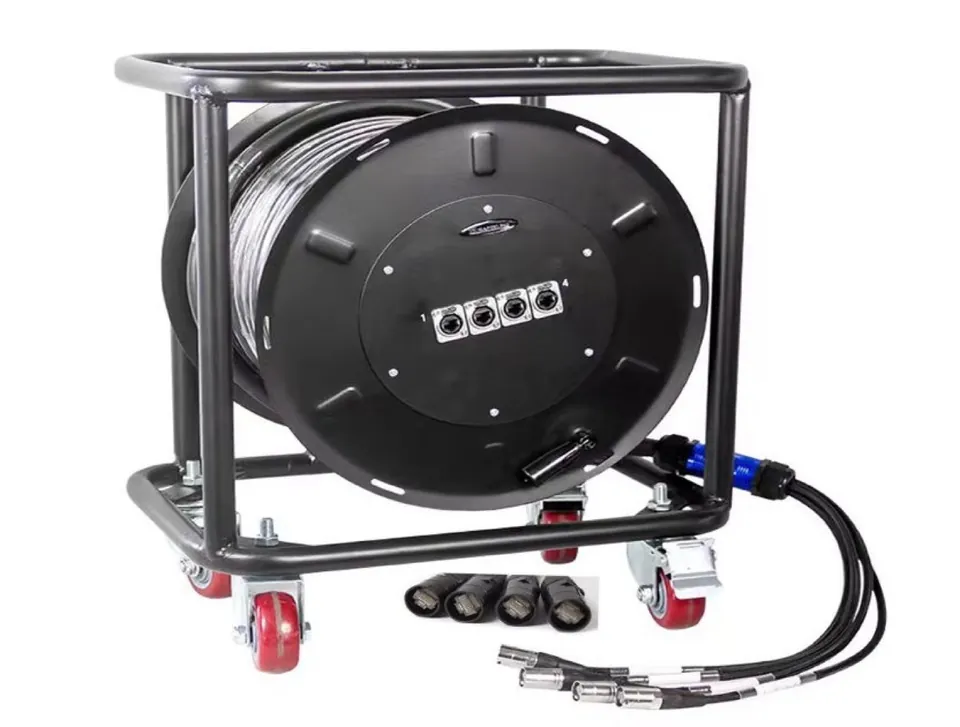
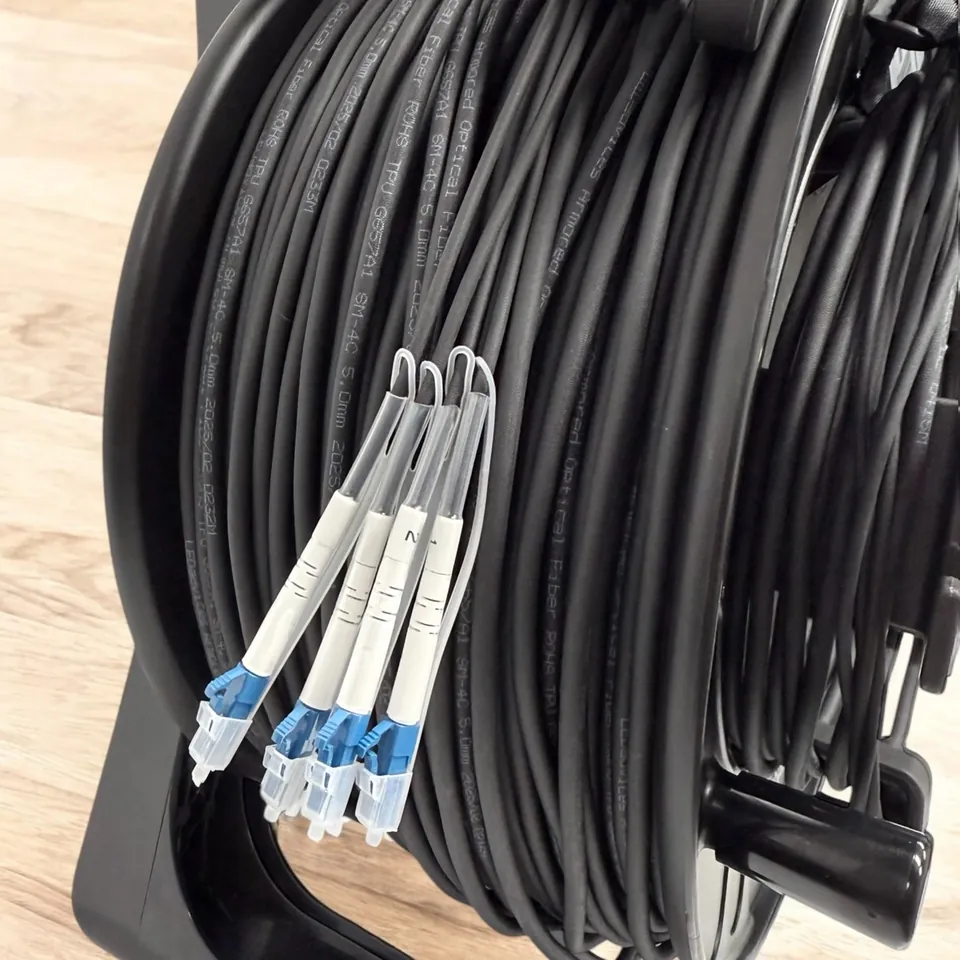
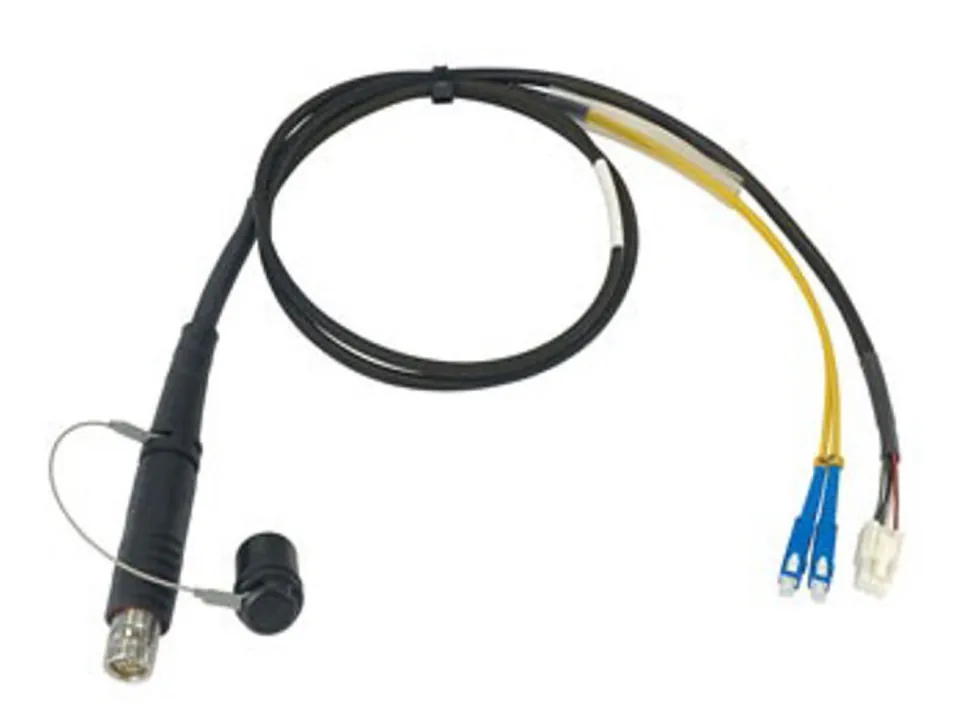
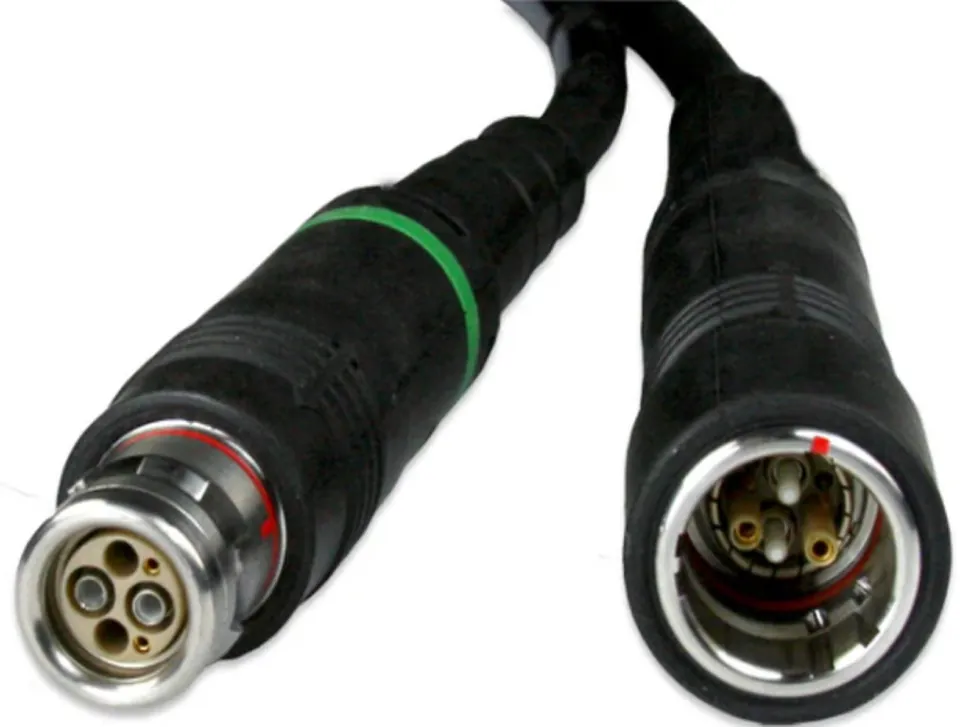
- SMPTE hybrid camera cable to SMPTE 311M, with SMPTE 304 connectors, carrying two single-mode fibres with power and control conductors from camera to CCU.
- SMPTE-SC hybrid cable variants for connections that break out to SC at the equipment end.
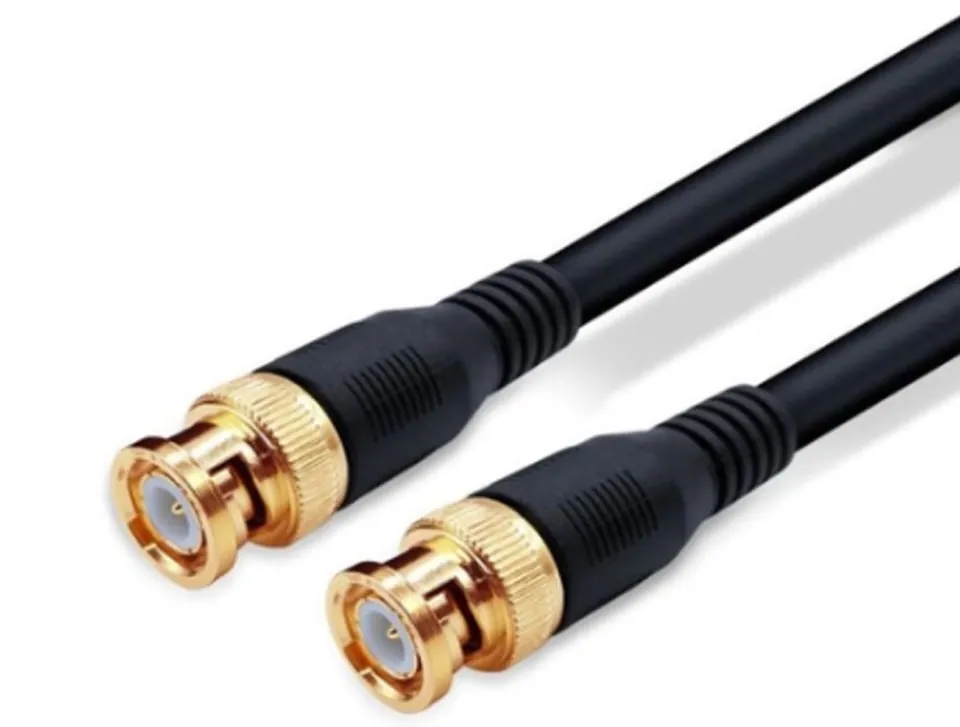
- Fibre-SDI converters and 75 ohm SDI cable on BNC, so a picture crosses a venue on fibre and lands on coax at the equipment.
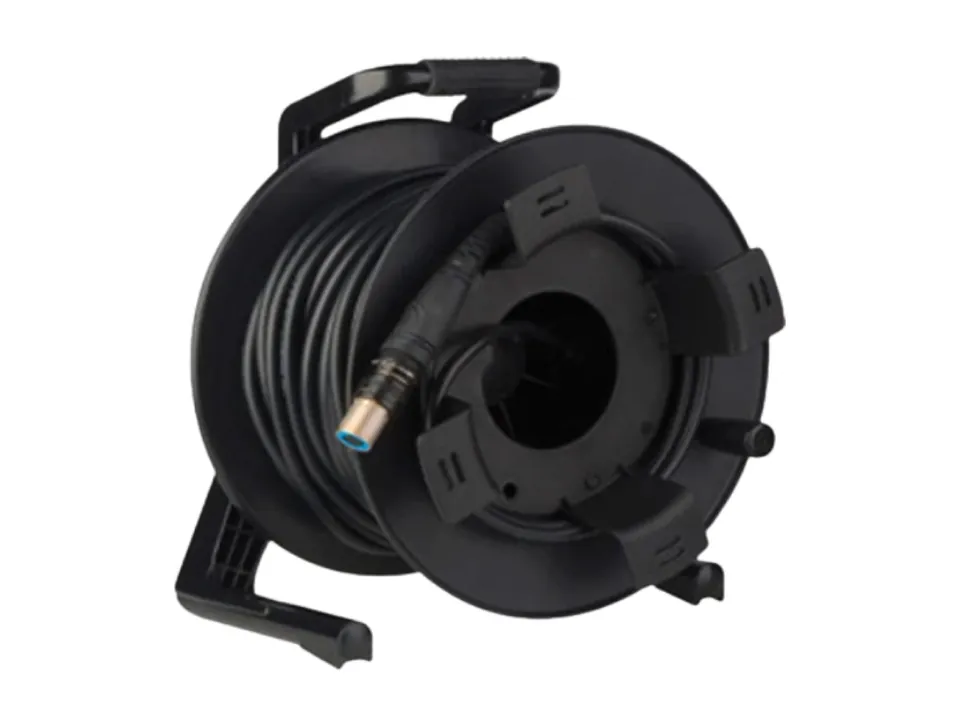
- OpticalCON-type connectors with push-pull coupling and protected fibre ends for touring and stage use, plus expanded beam connectors for the dirtiest locations.
- 8K HDMI active optical cable for display and projection runs beyond copper HDMI reach.
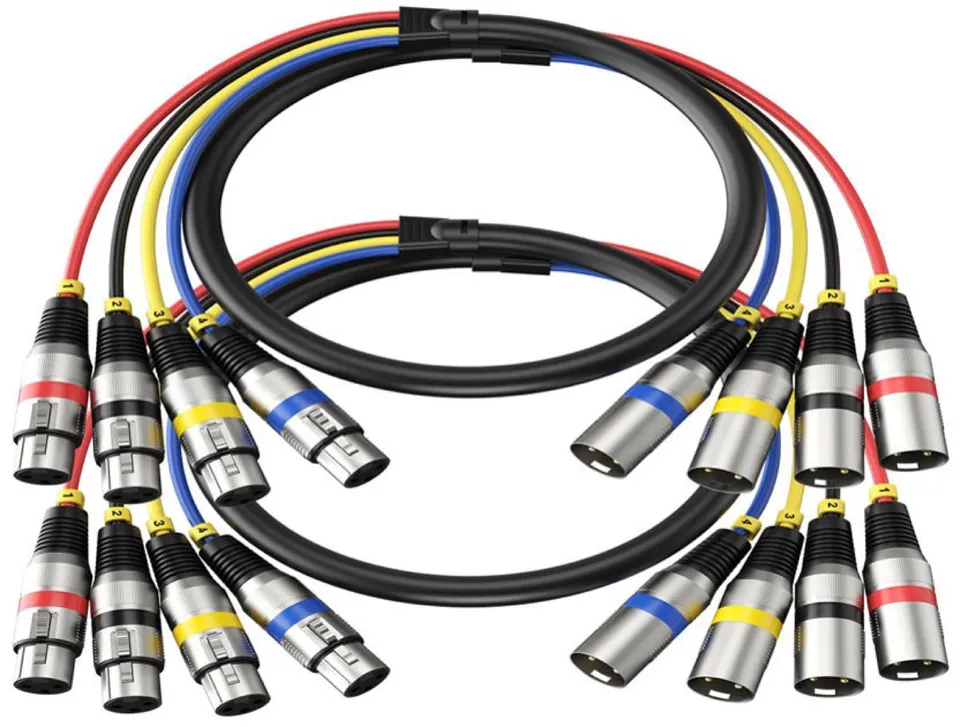
- XLR audio snakes and CAT6 SFTP snake cable for multi-channel audio and control.
What to specify
| Item | Specify | Note |
|---|---|---|
| Camera cable | Connector standard at each end, length per run, reel or drum | Match the camera system's connector, and check power delivery over the run length with the camera maker |
| SDI | Signal rate (HD, 3G, 12G), coax or fibre, connector | 12G-SDI is defined by SMPTE ST 2082; plan fibre conversion for long runs |
| HDMI AOC | Length, HDMI version support, routing | Active optical HDMI is directional: source and display ends are marked |
| Field fibre | Connector type, channel count, caps | Expanded beam tolerates dirt better than physical contact |
| Jacket | Polyurethane for touring, LSZH for fixed installations | State whether cable will be driven over |
Studio, outside broadcast and touring
Fixed studios and facilities. Cable is installed once in containment, terminated at wall boxes and patch panels, and rarely moved. LSZH jackets for occupied buildings, accurate lengths and clear labelling matter most. SDI routing within the facility stays on coax over short runs, with fibre between floors or buildings.
Outside broadcast. Camera cable is laid from drums across a venue and recovered the same night. Long hybrid runs, polyurethane jackets, protected connectors and reels sized for the crew matter most. Specify each run length from the venue plan rather than one length for every camera.
Touring and rental. A rental fleet is handled by many crews. Standard lengths, consistent connector choice across the fleet and colour or label coding by length make the stock easy to manage. Strain relief and boot design decide how long each cable stays in service.
Fibre or copper for each signal
Copper still has a place in a broadcast system. Short SDI patches, audio on XLR and control on CAT6 are simple and cheap to maintain. Fibre takes over when the run is long, when ground loops or interference affect the signal, or when the cable must be light enough to deploy quickly. A practical design keeps copper at the equipment and uses fibre between locations, with converters at each end.
Handling and maintenance
Cap every fibre connector the moment it is unmated, and clean and inspect before mating. Coil hybrid cable on reels rather than over the arm, and keep the bend radius above the cable's minimum. Mark every reel with its length and test date. Radix measures optical loss on each channel at manufacture; keep the report with the reel so a later fault can be compared with the original figure.
Send the run list, connector standards and reel requirements through the request a quote page.
Questions buyers ask
What is SMPTE hybrid camera cable?
It is a cable defined by SMPTE 311M that carries two single-mode fibres for signal together with copper conductors for power and control, terminated with SMPTE 304 connectors. It links a broadcast camera to its camera control unit.
How far can 12G-SDI run on coax?
Much less than HD-SDI, and the figure depends on the cable and equipment. For long runs, convert to fibre with a fibre-SDI converter and convert back at the far end.
Does an HDMI active optical cable work in both directions?
No. Active optical HDMI cables are directional, with marked source and display ends. Plan the pull so the correct end reaches each device.
Are expanded beam connectors worth it for outside broadcast?
Where connectors are mated in dust, mud or rain, yes. The expanded beam tolerates contamination better than physical contact connectors, at the cost of higher insertion loss.