

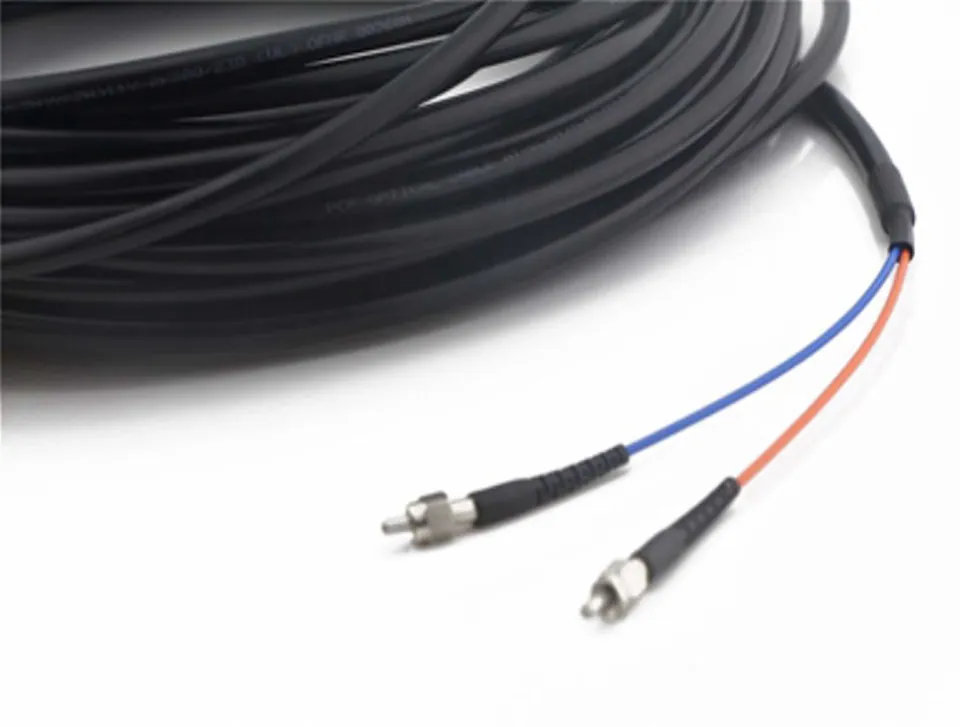
Why energy sites use fibre
Substations, generating plant and offshore installations are electrically hostile. Switching transients, fault currents and large motors create interference that corrupts copper signalling. Lightning strikes on masts and turbine blades raise local ground potential, and a copper link between two points at different potentials can carry damaging current. An all-dielectric fibre link carries no current and is unaffected by either, which is why protection and control signalling in substations moves to fibre, much of it under the IEC 61850 framework.
What attacks the link
- Water and salt. Offshore and coastal sites expose connectors to salt mist, spray and permanent damp, which corrode metal parts and contaminate end faces.
- Vibration. Turbine nacelles, compressors and generators vibrate continuously, loosening couplings that are not designed for it.
- Temperature. Outdoor enclosures cycle between sun-heated and cold, working seals and jackets.
- Access. A connector at the top of a turbine or on a platform is expensive to reach, so the first installation has to last.
- Panel space. Protection relays and control cabinets have little room for large connectors.
What Radix supplies for energy and offshore
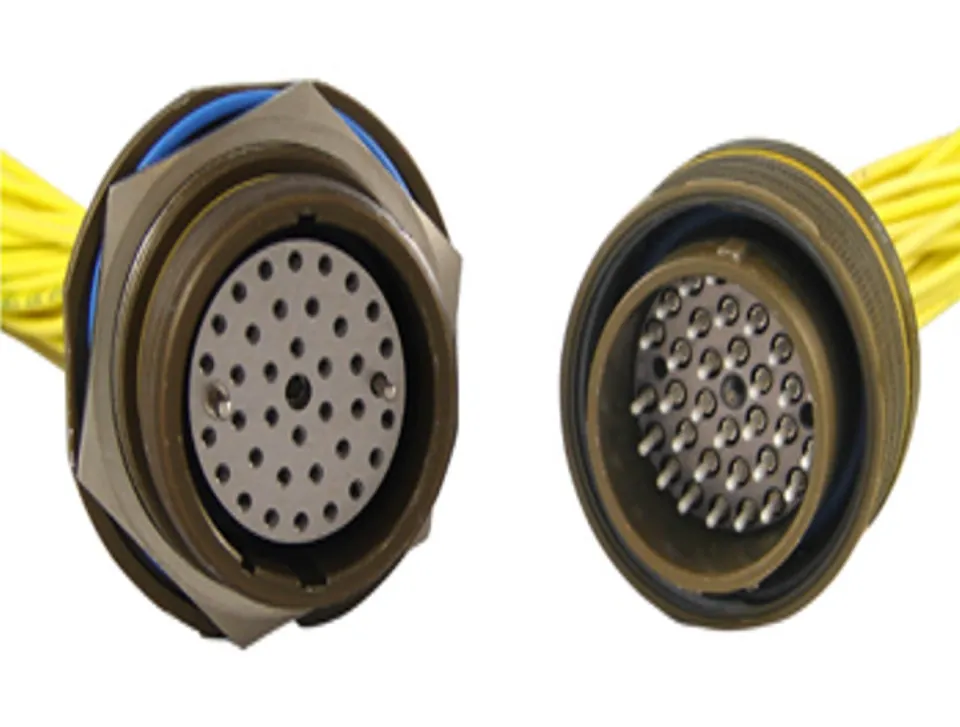
- MIL connectors in 2, 4 and 8 channel versions, sealed for outdoor and wet locations.
- High-density MIL connectors from 4 to 48 channels where many fibres cross one bulkhead.
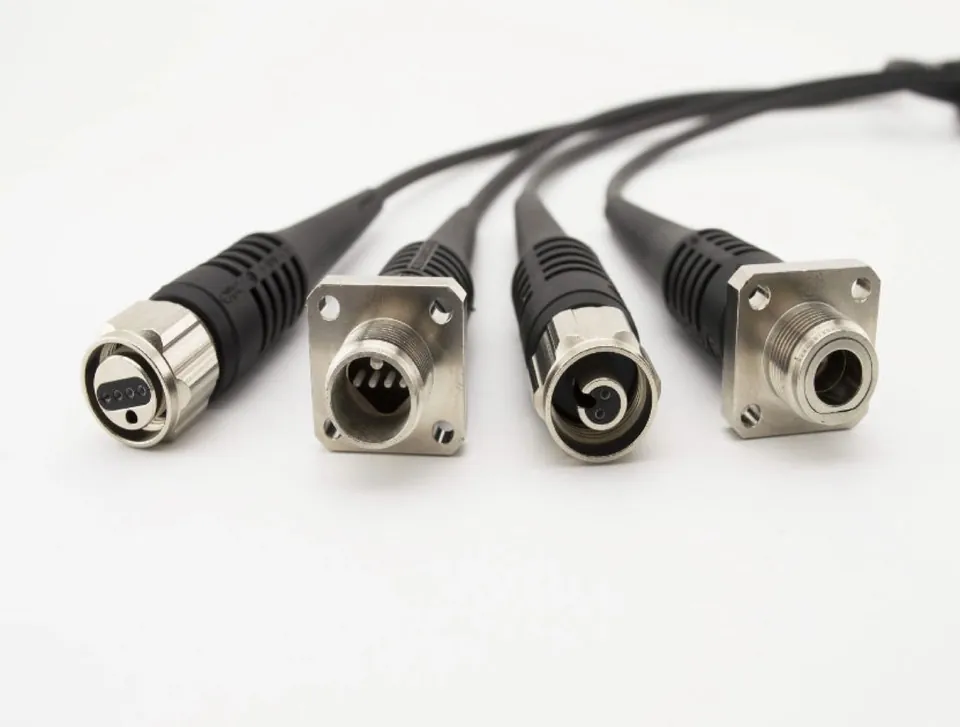
- ODC 2 and 4 channel bayonet connectors, rated IP67, for outdoor and tower equipment.
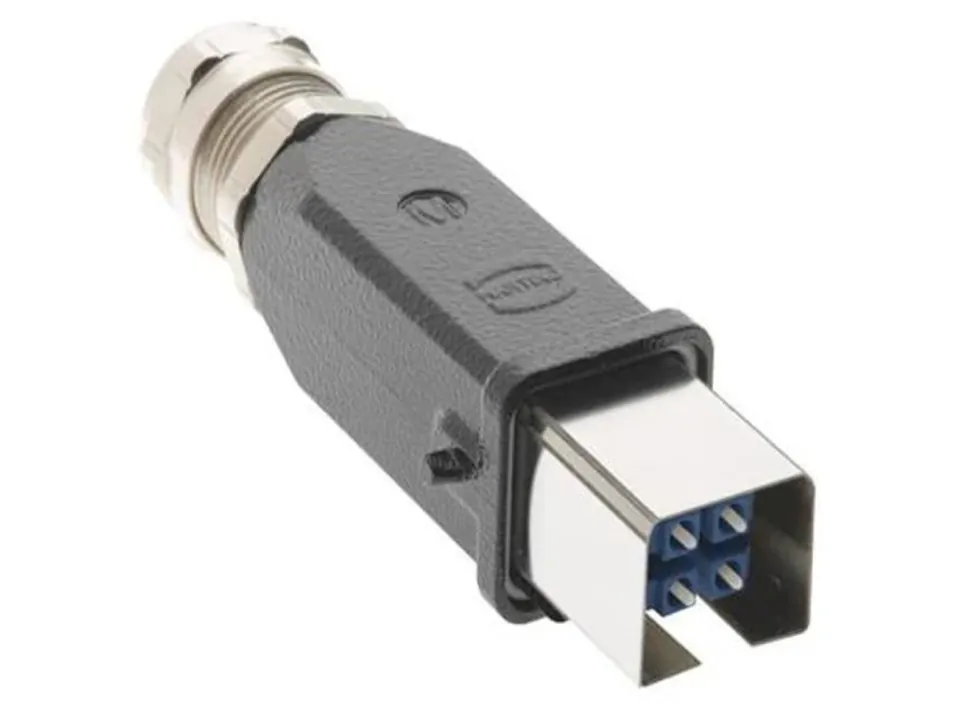
- Harting-housing LC connectors for panel mounting in industrial enclosures.
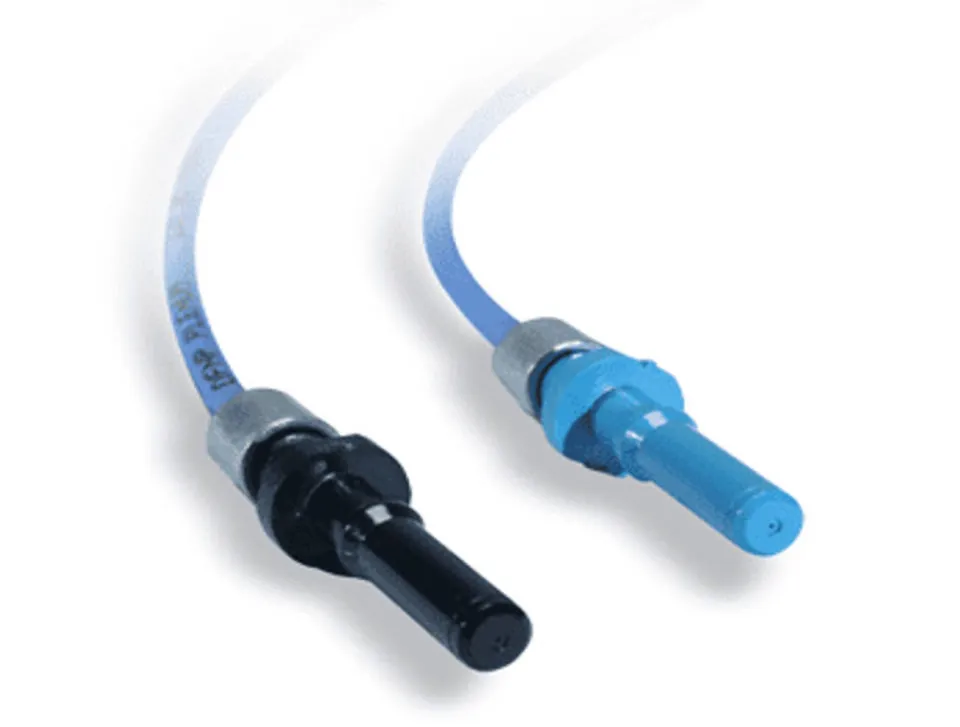
- PCF 200/230 micron SMA connectors and matching HFBR terminations for short control links inside plant.
Sealed MIL and ODC bodies are available with IP67 and IP68 ratings. Assemblies are built to the site drawing.
What to specify
| Item | Specify | Note |
|---|---|---|
| Ingress rating | IP67 or IP68, mated and unmated | IP codes are defined in IEC 60529; state whether the rating must hold with the connector unmated and capped |
| Channel count | 2, 4, 8 or high density | Allow spare channels for future circuits |
| Fibre | Single-mode, multimode or PCF | Match the relay or controller transceiver |
| Cable | All-dielectric where near high voltage | Avoids bonding questions and induced current |
| Jacket | UV and oil resistant, LSZH where required | Offshore specifications often require halogen-free materials |
| Mounting | Cable-to-cable, bulkhead or panel | Give panel cut-out and wall thickness |
Installation and maintenance
Most failures on energy sites happen at the connector, not in the cable. Keep caps on every unmated connector, including spare channels, and clean and inspect each end face before mating; on offshore installations, do this inside the enclosure where possible rather than in spray. Route cable with a drip loop below outdoor connectors so water runs off rather than along the cable into the coupling.
Specify spare channels at installation. A 4 channel connector where 2 are needed today costs little more and avoids a second climb or a second offshore visit. Record each channel's loss from the per-channel test report that ships with the assembly; it is the baseline for every later maintenance test.
In wind turbines, the cable passes from the nacelle down the tower through the twist section, where it is subject to repeated torsion. State this on the drawing so the cable construction and the strain relief at each end suit it.
PCF or glass fibre for control links
Many protection relays, drives and controllers use short optical links with HFBR or SMA ports designed for large-core fibre. PCF (plastic-clad silica) fibre with a 200 micron core and 230 micron cladding suits these: the large core is easy to terminate and tolerant of alignment, and the reach is longer than plastic optical fibre. For links between buildings or across a site, glass single-mode or multimode fibre is the usual choice. Check the port type on the equipment before choosing.
Send the site drawing, connector schedule and environmental conditions through the request a quote page.
Questions buyers ask
Why use fibre instead of copper in a substation?
Fibre carries no current, so it is immune to the interference from switching and fault currents and it isolates equipment at different ground potentials. That protects both the signal and the equipment.
What does IP68 mean for a fibre connector?
Under IEC 60529, IP68 means dust-tight and protected against continuous immersion under conditions agreed with the manufacturer. Confirm the depth and duration your site requires, and whether the rating applies mated, unmated or both.
What is PCF fibre used for?
PCF, or plastic-clad silica, is a large-core fibre used for short industrial and utility control links. Its 200 micron core is easy to terminate in SMA and HFBR connectors.
Can you build assemblies with sealed connectors on both ends?
Yes. Assemblies can carry MIL, ODC or other sealed connectors at one or both ends, with the cable and channel count specified on the drawing.